

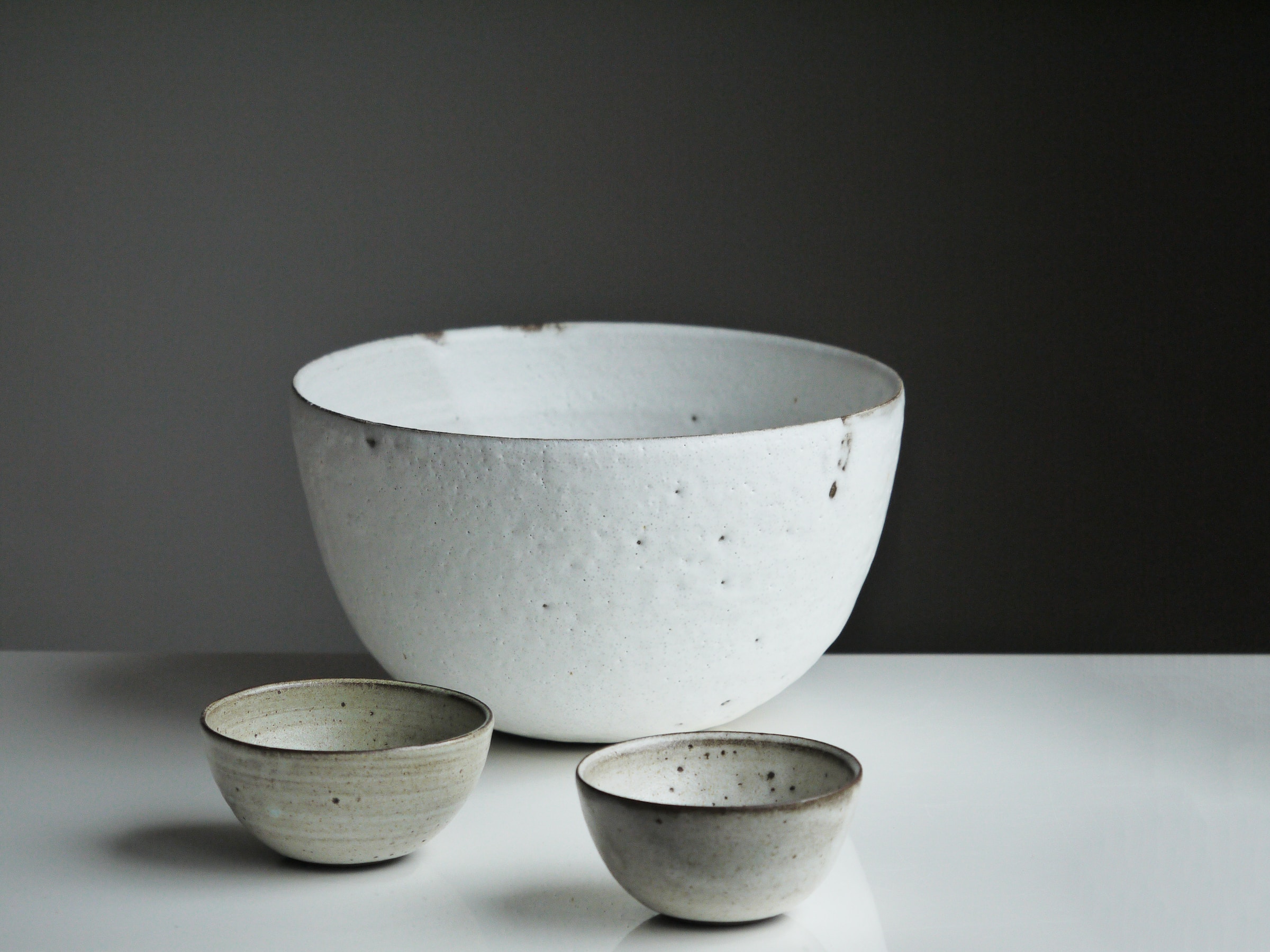
Glazing Techniques Inspired by the Mediterranean
A deep dive into the rich ochres, cobalt blues, and terracotta tones that define our glaze palette — and the landscapes that inspire them.
Stand on the terrace of the Alhambra at dusk and you will understand the Moorish palette in an instant. The sky burns amber, the walls glow ivory, the shadows pool in deep indigo. These are not decorative choices — they are the colours of the land itself, absorbed and reflected back across centuries of craft.
The Palette of Al-Andalus
Our glaze library begins with the earth: raw sienna, burnt umber, the pale ash-grey of olive bark. Over these we layer the vivid mineral pigments that Moorish potters discovered and refined — copper oxide for verdigris green, cobalt for the piercing blue of Fez, manganese for the aubergine tones of Andalusian pottery.
Each glaze is mixed in small batches, never quite identical. We embrace this variability. A kiln fired at slightly different temperature yields subtly different results; a glaze applied thicker at the rim breaks differently in the heat. These variations are features, not flaws.
Application Methods
We use three primary application methods, each suited to different forms and effects:
Dipping — for even, full-coverage glazes on vessels. The piece is held by the foot and plunged into a deep bucket, then left to dry before firing.
Layering — two or three glazes applied in sequence, each interacting with the one beneath it during the firing. The results are unpredictable and endlessly surprising.
Wax resist — a traditional technique where wax is applied in patterns before glazing. The wax repels the glaze, leaving the raw clay exposed. After firing, the contrast between glazed and unglazed surfaces creates the characteristic two-tone effect seen in classical Moroccan pottery.
The Firing
Our wood-fired kiln reaches 1280°C at its peak — hot enough to fuse the glaze into the clay body, creating a surface that is simultaneously hard and deeply sensuous. The firing takes fourteen hours from lighting to peak temperature, then another twelve to cool. During that time, the atmosphere inside the kiln shifts from oxidising to reducing, altering the chemistry of the glazes in ways we can influence but never fully control.
This is pottery as collaboration: between maker, material, fire, and time.